

Autumn is one of the most rewarding times of year in the garden. The leaves change colour, cooler temperatures make outdoor work more comfortable, and there’s plenty you can do to set your garden up for the months ahead. With the right care, your outdoor space can continue to look vibrant, and you can prepare your beds, borders, and lawns to thrive next spring.
At Garden Care, we often remind our customers that autumn isn’t the time to down tools. In fact, it’s the season when a few simple steps can make all the difference to how your garden performs. From clearing away fallen leaves to planting spring bulbs, here are some practical gardening tips to help you get the most from your outdoor space this autumn.
Autumn brings shorter days, falling leaves, and unpredictable weather, which can sometimes make gardening feel like a challenge. However, it also provides unique opportunities. The soil is still warm from summer, while regular rainfall helps establish new plants and bulbs. This combination makes autumn one of the best times to plant, prepare, and protect your garden.
Key autumn gardening tasks include:
With a little planning, autumn becomes less of a hurdle and more of a chance to refresh your outdoor space. A professional team like Garden Care can take these tasks off your hands, ensuring your garden looks its best through the colder months.
Fallen leaves are one of the most recognisable features of autumn, but leaving them where they land can cause problems. A thick carpet of leaves across your lawn blocks sunlight and prevents moisture from evaporating, which encourages moss and fungal diseases. On pathways and patios, leaves become slippery hazards. By regularly raking or blowing them away, you’ll protect your grass and keep outdoor surfaces safe.
It’s also worth remembering that not all leaves need to go straight into the bin. Adding them to a compost heap will create valuable organic matter for future use. Alternatively, if you have a quiet corner of the garden, a small leaf pile can provide an excellent habitat for hedgehogs and insects. Garden Care can help you strike the right balance between keeping your outdoor space neat and encouraging local wildlife.
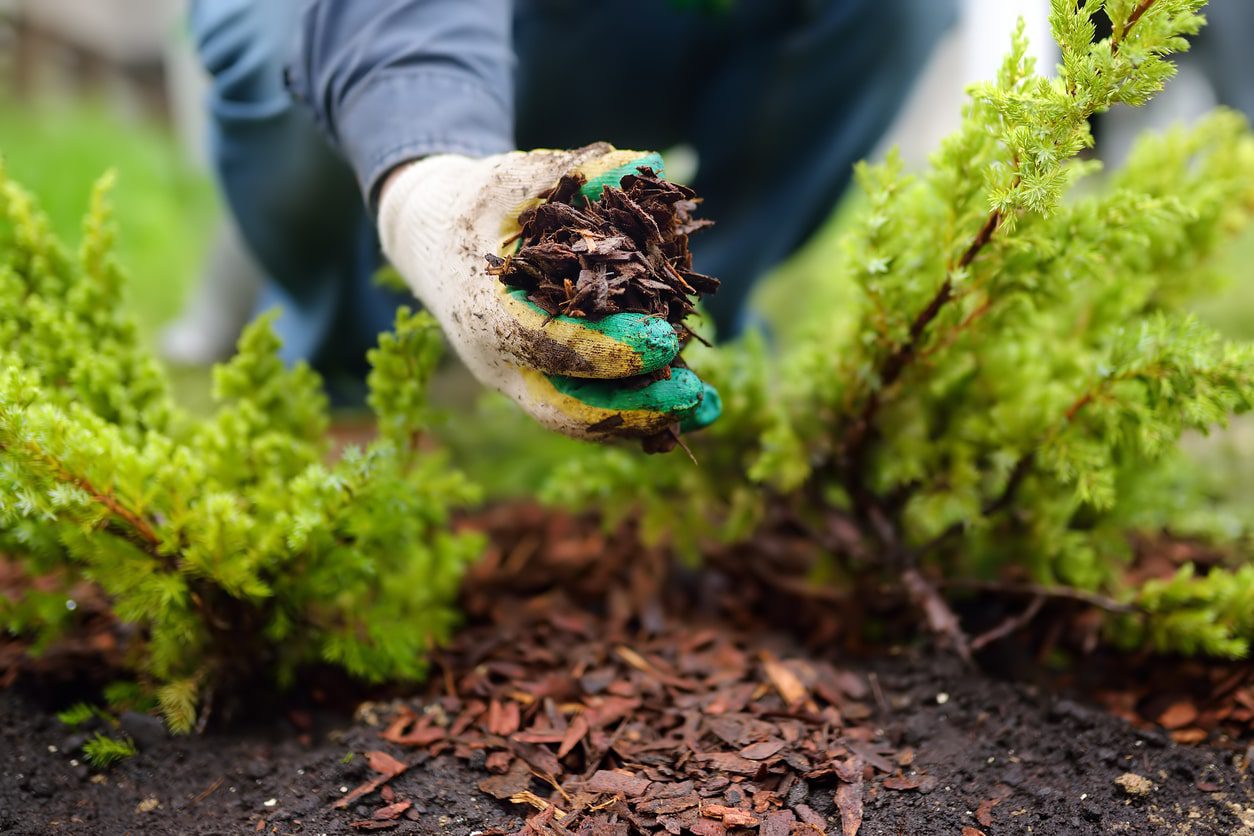
Mulching is one of the simplest yet most effective jobs you can do in autumn. By adding a layer of organic material such as bark, compost, or well-rotted manure to your flower borders, you provide insulation for plant roots against winter frosts. This protective blanket also helps the soil retain moisture and improves fertility as it breaks down.
Another advantage of mulching is weed suppression. During autumn and winter, weeds are less aggressive, but they still find ways to take hold. A generous layer of mulch prevents light from reaching the soil surface, keeping unwanted growth under control. Garden Care often advises customers to mulch borders at this time of year so their beds are healthier, tidier, and easier to manage come spring.

Autumn is the perfect season for planting spring bulbs. Tulips, daffodils, crocuses, and alliums all establish their roots during the cooler months, ready to burst into life as the weather warms. Planting them now means you’ll have a colourful, vibrant garden after the long winter months.
When planting bulbs, remember the rule of thumb: plant them at a depth about three times their height, with the pointed end facing up. Scatter smaller bulbs like crocuses in drifts for a natural look, or arrange tulips in neat rows for a bold statement. If you’d like help planning or planting, Garden Care can handle the heavy lifting while ensuring your bulbs are placed for maximum impact.
While spring bulbs are preparing underground, there are plenty of seasonal flowers that can brighten your garden right now. Autumn doesn’t have to mean a dull outdoor space; many hardy plants thrive during the cooler months and add colour when much of the garden is fading.
Popular autumn flowers include:
Chrysanthemums: with bold colours and long-lasting blooms.
Pansies and violas: cheerful bedding plants that flower through mild winters.
Cyclamen: compact plants perfect for pots and shady borders.
Asters: star-shaped flowers that provide late-season nectar for pollinators.
Sedums: resilient perennials with clusters of pink or red flowers.
By combining these with evergreen shrubs or grasses, you can maintain interest across the seasons. Autumn flowers not only provide colour but also attract bees and butterflies that remain active later in the year. Garden Care can advise on the best choices for your soil and garden style, making sure your outdoor space stays lively even as temperatures drop.
Gardening in autumn takes effort and consistency, but the rewards are clear. A well-tended garden will not only look better throughout the colder months but will also spring back into life stronger and healthier. Whether it’s clearing leaves, mulching borders, planting bulbs, or adding seasonal flowers, each task contributes to the long-term success of your outdoor space.
If you’d prefer to spend your autumn weekends enjoying your garden rather than working in it, the team at Garden Care is here to help. With decades of experience across Sittingbourne, Medway, and the surrounding areas, we provide reliable maintenance tailored to your needs. From regular visits to one-off seasonal tidy-ups, we’ll make sure your garden stays safe, attractive, and ready for the year ahead.